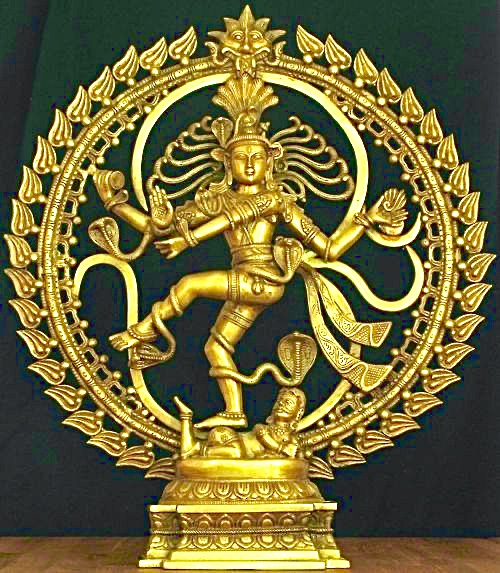
🔵 Dr. Dhan Raj Jangid (Hon. Director & Coordinator/ Yogacharya)
“Dharāj School of Yoga Therapy – International” is a ‘Destination and Nodal School for Therapeutic Yoga-Meditation Education’ to bring science and philosophy of the ‘Yoga and Wellness at the doorstep of aspiring individuals, groups, institutions, academies (healthcare, social, cultural, fine arts, spiritual, etc. . . ) etc. . .
It has been operative as a philanthropic service for sometimes and would now embark upon starting regular certification courses at different levels to empower the individuals to become competent Yoga-Meditation Teachers and Therapists to spread out this ancient yet perennially relevant knowledge for the attainment of ‘Health and Wellness’ by the people, and dissemination of ‘Peace and Harmony’ amongst the people.
We operate from our Head-Office at Retreat Complex, South City-1, Gurugram – 122007 (Haryana), INDIA; and an Extension-Center at Ashiana Town-beta at Bhiwadi – 301019 (Rajasthan).
🔵 Presently we have:
(A). Reguar dedicated Teachers:
(❤️). 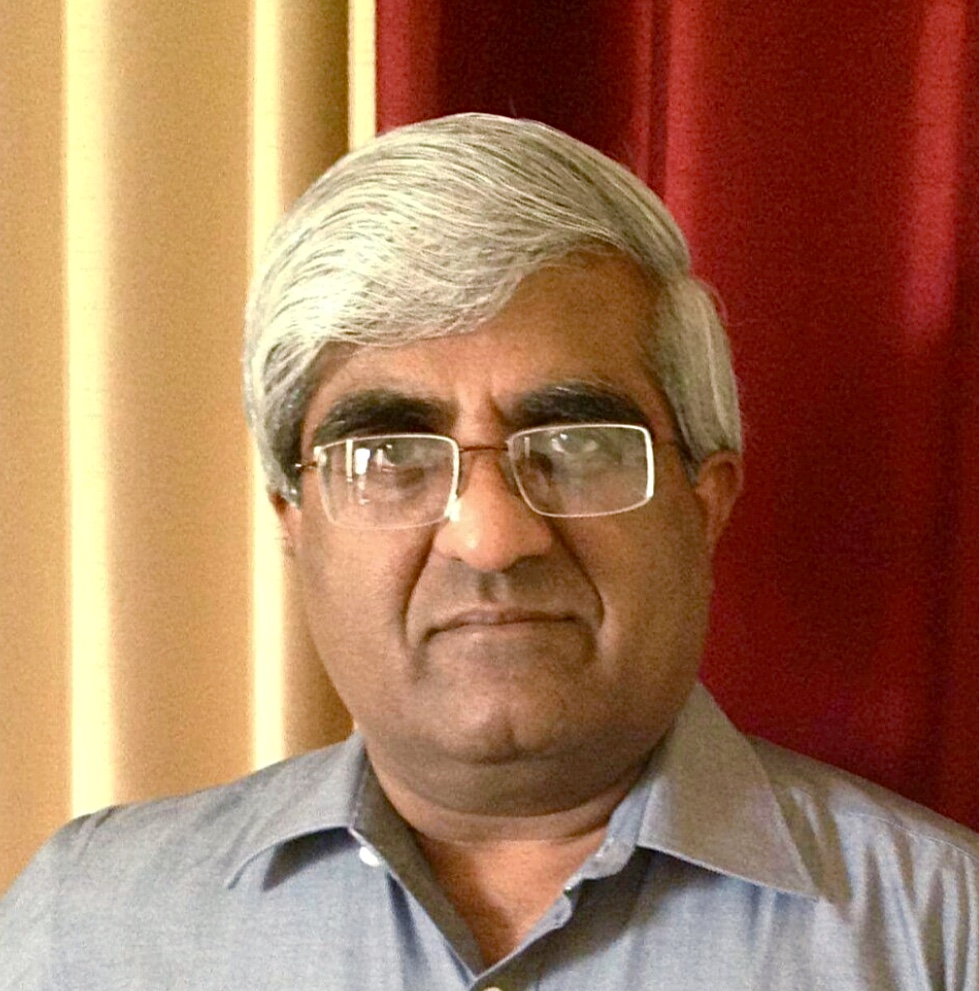 Dr. Dhan Raj Jangid: [Hon. Director/Yogacharya & Chief Coordinator (Education, Resources & Expansion)] — General and Therapeutic Yoga-Meditation; Yoga Anatomy; Yoga-Philosophy and Sanskrit.
- MBBS, MD, DipACBNC, DSc, E-RYT500+, RPYT, RCYT, M-MBA, CMT500, DipMed, YIC, C-IAYT;
- WYA: 119RTY500; WS136; WS136B.
(❤️). 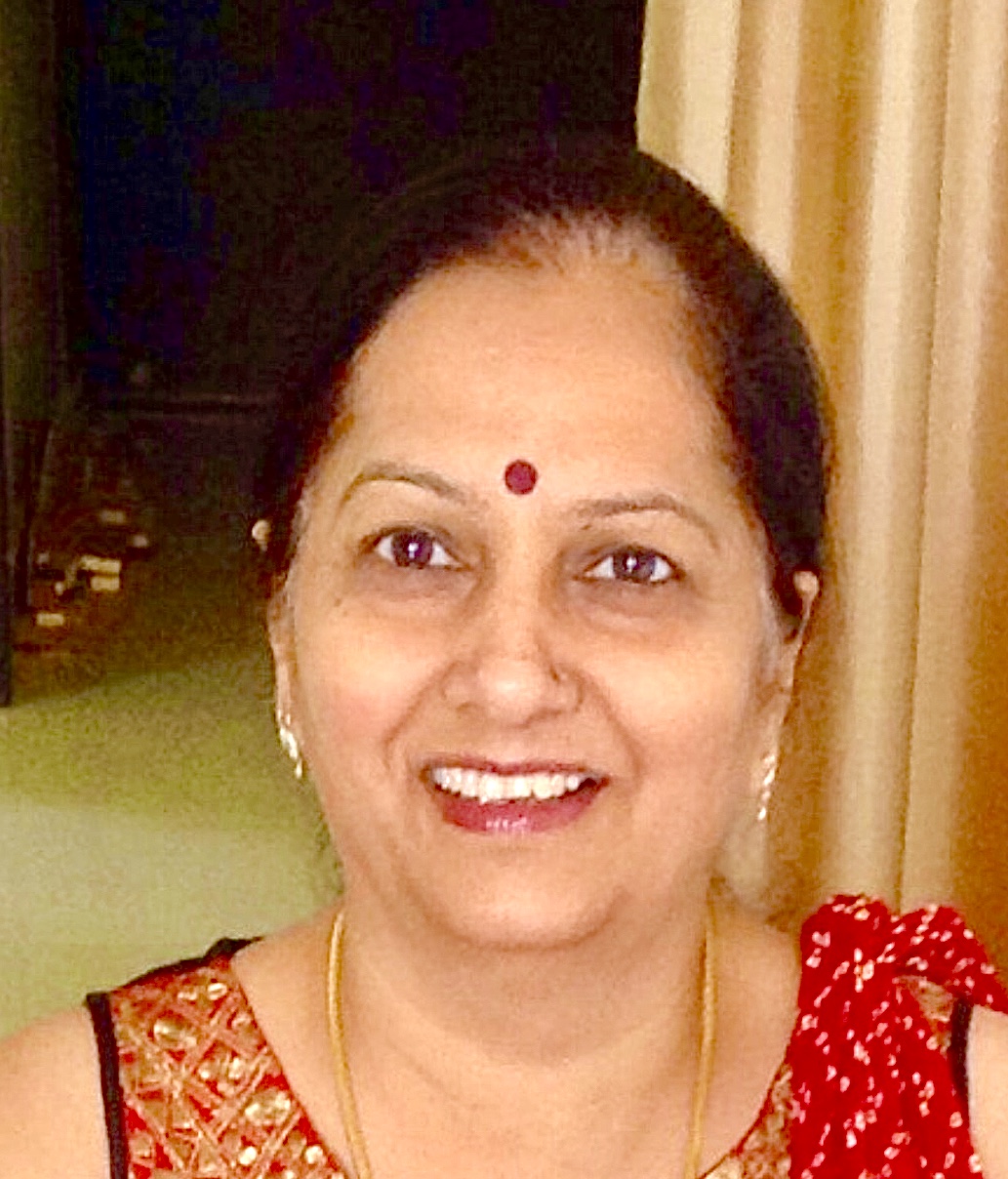 Mrs. Vandana Jangid [Administrator (Public Relations, Media & Marketing):
- MA, MCA, MSc, RYT200; WS136-1CYT500; WS136B-1CYT500.
- Main Teacher for Asana, Pranayama, Meditation, Sanskrit and Yoga-Philosophy.
(B). Qualified Volunteer Teacher:
(❤️). 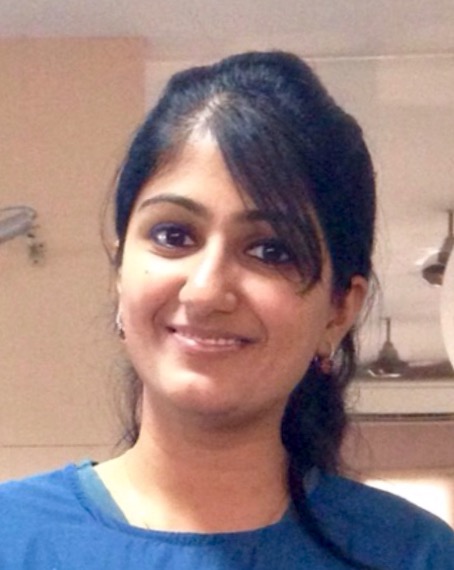 Dr. Kritika J. Kamthan [Hatha-Ashtanga Yoga Teacher: Yoga-Anatomy Teacher, Yoga-Therapist]:
- BDS, MDS, RYT200; WS136-2CYT500; WS136B-2CYT500.
- Hatha-Ashtanga Yoga Teacher: Yoga-Anatomy Teacher, Yoga-Therapist. [Main Teacher for Gross/ Subtle Anatomy and physiology of Body-Mind-Soul.]
(C). General Volunteers-Teachers:
(D). A full-fledged Library with more than 1000 books/ monographs on all the subject of:
- Yoga and Yoga-Therapy,
- Meditation and Meditation-Therapy,
- Prenatal & Postnatal Yoga,
- Mother & Child Health,
- Children Yoga; Yoga for Special-Needs Children,
- Healthcare Sciences (Allopathy, Ayurveda, Naturopathy, Tibetan Medicine, Chinese Medicine, Psychotherapy & Counselling, Hypnotherapy, Homeopathy, &c. . .),
- Eastern/ Oriental Scriptures (Veda, Vedanta, Puranas, &c. . . ),
- Languages and Literature (English, Sanskrit/ Hindi, Spanish, Classical Tibetan/ Chinese . . . ), and Dictionaries
- &c. . .
🔵 The types/ styles of Yoga-Meditation systems we have been Practicing, Motivating and Teaching (General & Therapeutic) have been as follows:
[A]. YOGA:
- CONVENTIONAL
- Hatha Yoga (Ananda, Sivananda).
- Astanga Vinyasa Yoga.
- HEALTHCARE
- Wellness Yoga.
- Restorative Yoga.
- Ayurvedic/ Therapeutic Yoga.
- Yin Yoga.
- Chair Yoga
- ESOTERIC
- Chakra Yoga.
- Nada Yoga.
- Spiritual Yoga.
- Meditative Yoga.
- SPECIALITY
- Prenatal & Postnatal Yoga
- Children Yoga.
- Seniors Yoga.
- Chair Yoga.
[B]. MEDITATION:
A multitude of Meditation-Techniques, akin to Pratyahara/ Dharana/ Dhyana:
- GENERAL TYPES: Focused attention, Open monitoring, Effortless presence Meditation,
- BUDDHIST MEDITATION: Seated Zen, Vipassana (insight), Mindfulness, Metta (loving kindness) Meditation.
- HINDU MEDITATION: Mantra (Om, SoHam. . . )/ Transcendental, Yogic (last 4-limbs of Patanjali’s Astanga Yoga); 3rd Eye/ Chakra/ Trataka/ Kundalini/ Kriya/ Nada/ Tantra/ Pranayama), Self-Enquiry Meditation,
- CHINESE MEDITATION: Taoist Meditation (Emptiness/ ZhuanQi (Breathing)/ NeiGuan (Inner vision/ observation)), QiGong (Life energy cultivation),
- CHRISTIAN MEDITATION: Contemplative prayer/reading,
- GUIDED MEDITATION: Traditional, Imagery, Relaxation & Body Scans, Affirmations, Binaural beats
Objectives and Future Direction:
We are in the process of starting nodal centres at various other places to create a network of coordinated services to the mankind.
Presently we are using the already-existent functional centres, resorts, institutions, schools, hospitals, &c. . . to reach the aspirant target people.
Thanks to the easily available internet and digital infrastructural facilities, that we need only human-resources to be made available at the nodal centres to reach our envisaged goal.

YOGA TEACHER TRAINING
(Detailed information about each training-course is provided in the ‘Course Manual’ given to the Attendees, at the time of registration ! )
Yoga Teacher/ Therapy Training Courses (YTTC) are delivered broadly as per the standards of ‘Yoga Alliance (YA-USA)’, ‘World Yoga Alliance (WYA)’, ‘Yoga Australia’ and ‘International Association of Yoga Therapists (IAYT)’.
This involves various Certifications at 50 Hr. (5-7 Days); 100 Hr. (10-15 Days), 200 Hr. (3-4 Weeks), 300 Hr. (5-6 Weeks) and 500 Hr. (2 Months) Level, as well as Diplomas at 3-6 months levels, in the areas of:
(a). General-Yoga,
(b). Speciality-Yoga:
- Prenatal/ Postnatal-Yoga & Women Health,
- Children -Yoga & Adolescent Health
- Yoga-Therapy & Health Restoration.
(c). Continuous Education for Yoga Teachers/ Therapists (under Yoga-Alliance as YACEP, and under IAYT as APD-CE — Yin Yoga, Yoga Nidra, Seniors/Chair Yoga, Restoratice Yoga &c.
Following are are the Educational Categories of Study & Practice
At least 70% of the training involves direct teaching from the registered Yoga-Teachers. Some training hours may go into ‘Supplemental Training’ which would include instruction in Acupressure, CPR and First Aid, Yoga Therapy etc. as and when relevant .
(1). Techniques, Training and Practice: (~ 30%)
Topics include: asanas, pranayamas, kriyas, chanting, mantra, meditation and other traditional yoga techniques. There ia a balanced mix between: (i). analytical training in how to teach and practice the techniques, and (ii) guided practice of the techniques themselves.
(2). Teaching Methodology: (~6%)
Topics include:
- Communication skills, involving group dynamics, time management, and the establishment of priorities and boundaries)
- How to address the specific needs of individuals and special populations, to the degree possible in a group setting.
- Principles of demonstration, observation, assisting and correcting.
- Qualities of a teacher; Teaching styles.
- The student learning process.
- Business aspects of teaching yoga (including marketing and legal).
(3). Anatomy and Physiology: (~7%)
Topics include study of human Physical anatomy and physiology (bodily systems, organs, etc.) and Energy anatomy and physiology (chakras, nadis, etc.) along with their applications to yoga practice (benefits, contraindications, healthy movement patterns, etc.).
(4). Yoga Philosophy, Lifestyle and Ethics for Yoga Teachers: (12%)
Topics include:
- The study of yoga philosophies and traditional texts (Yoga Sutras, Hatha Yoga Pradipika, Bhagavad Gita, &c. . . ).
- Yoga lifestyle, viz. the precept of non-violence (ahimsa), and the concepts of dharma and karma.
- Ethics for yoga teachers, such as those involving teacher – student relationships and community.
- Understanding the value of teaching yoga as a service and being of service to others through yoga (seva).
(5). Practicum: (8%) Hours
Topics include:
- Practice teaching, Receiving/giving feedback.
- Observing others teaching.
- Assisting and aligning students while someone else is teaching.
Remaining Contact Hours are Elective Hours:
This is to advance the education of trainees explcitly as per the Learning Objectives.
These hours fall into the normal content flow of the overall training entailing discussion, reports submitted by trainees on their experiences, related homework, projects, &c . . .
Non-Contact Hours as relevant to above 5 Educational Categories
These are the assigned part of the curriculum, e.g. Reading, audio/video or Internet resources that are integrated into the curriculum via reports, class discussions, presentations, tests, &c. .
Webinars on yoga-related topics; Written assignments on yoga-related topics; Group activities including directed discussion, technique practice or teaching practice; &c . . . .
Our Motto ॐ सर्वे भवन्तु सुखिनः। सर्वे सन्तु निरामयाः।
सर्वे भद्राणि पश्यन्तु। मा कश्चित् दुःख भाग्भवेत्॥
ॐ शान्तिः शान्तिः शान्तिः॥
[Om Sarve Bhavantu Sukhinah। Sarve Santu Nir-Aamayaah।Sarve Bhadraanni Pashyantu। Maa Kashcid-Duhkha-Bhaag-Bhavet॥Om Shaantih Shaantih Shaantih॥]
English Translation
May All Be Prosperous and Happy; May All Be Free from Illness May All See What Is Spiritually Uplifting; May No One Suffer In Any Way ! Om Peace, Peace, Peace !!
 Dharāj Yoga Therapy