Yoga Therapy Clinic-2: Speciality Management of Ailments/ Diseases
YOGA THERAPY — SPECIALITY CLINICS
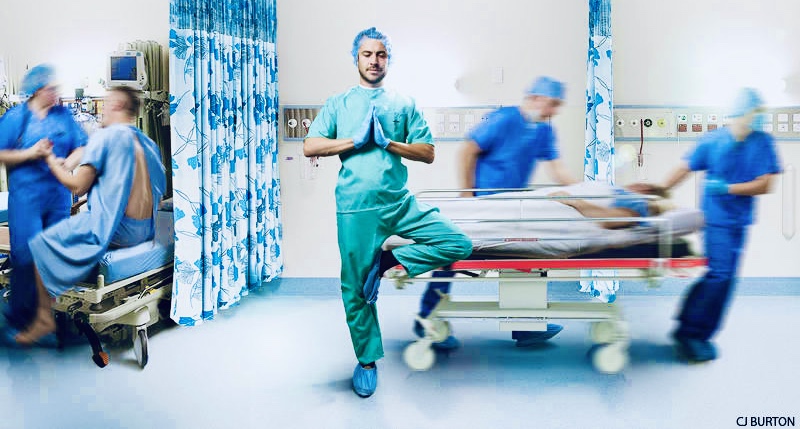
“Yoga therapy is the process of empowering individuals to progress toward improved health and wellbeing through the application of the teachings and practices of yoga.” — IAYT.
(I). Cardiovascular (Coronary Heart Disease, Hypertension) Yoga Therapy — Prevention, Restitution & Rehabilitation.
Cardiovascular (Yoga Therapy — Prevention, Restitution & Rehabilitation of Coronary Heart Disease, Hypertension, Heart failure, Irregular Heart Rhythm, &c . . . . .
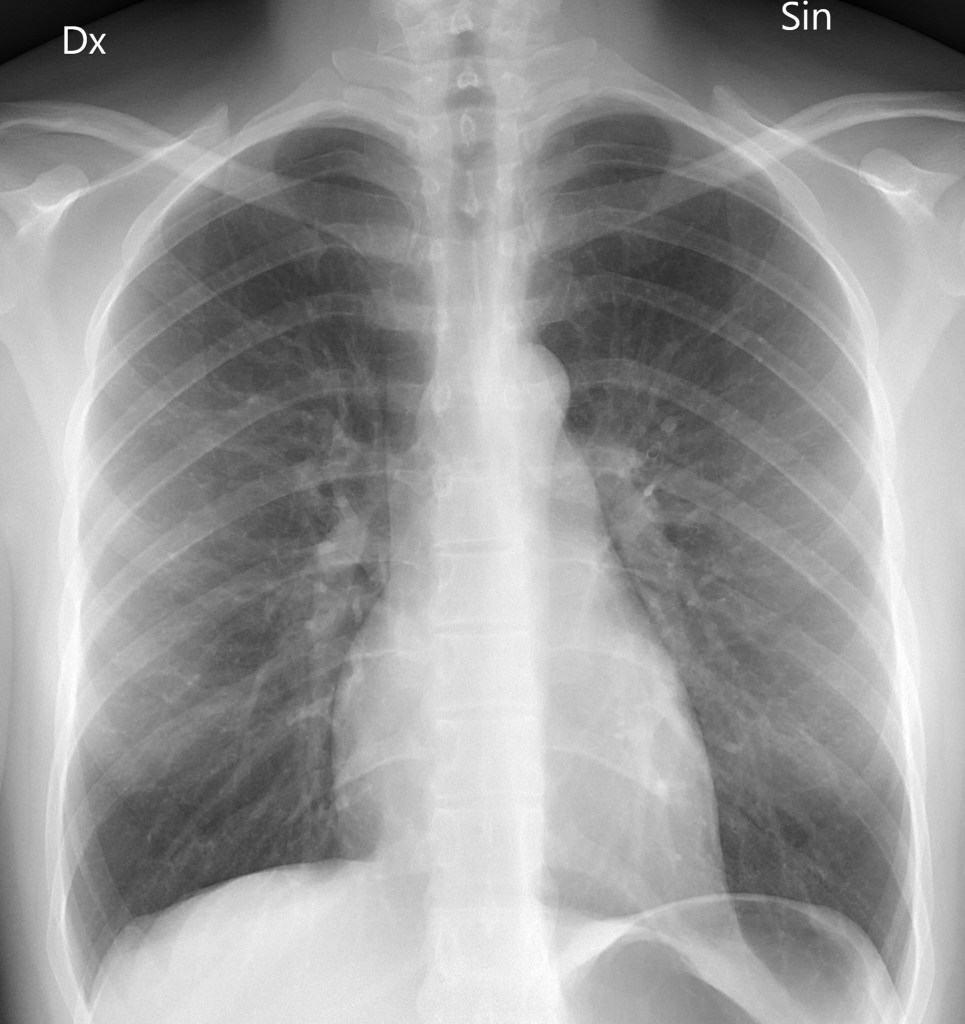
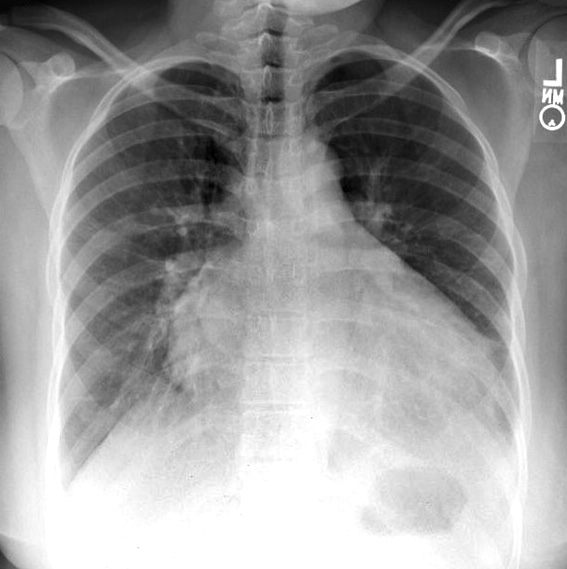
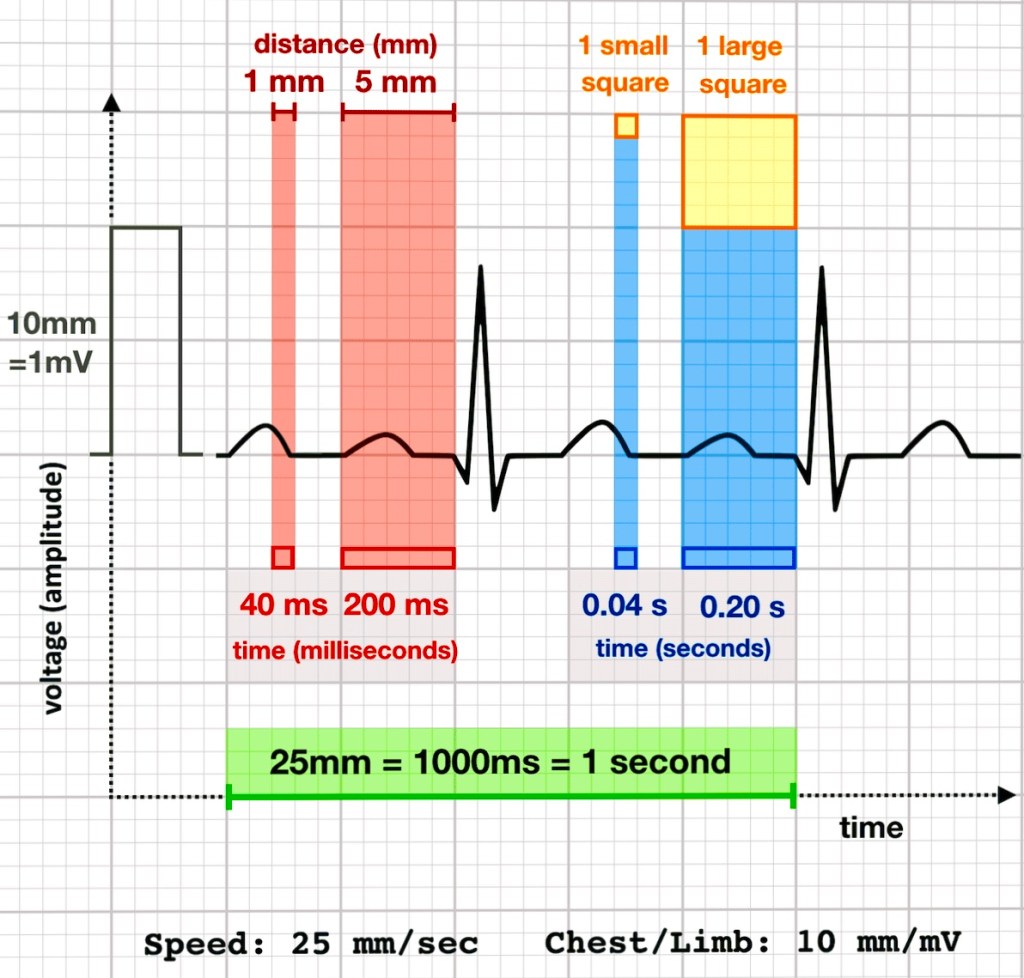
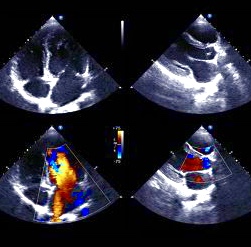
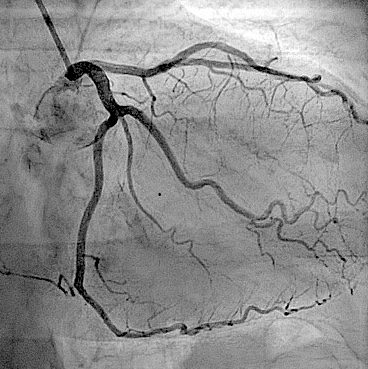
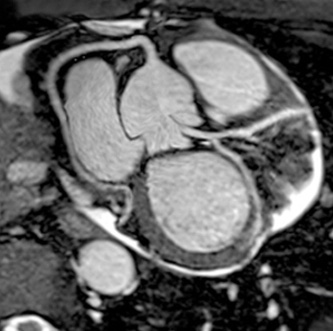
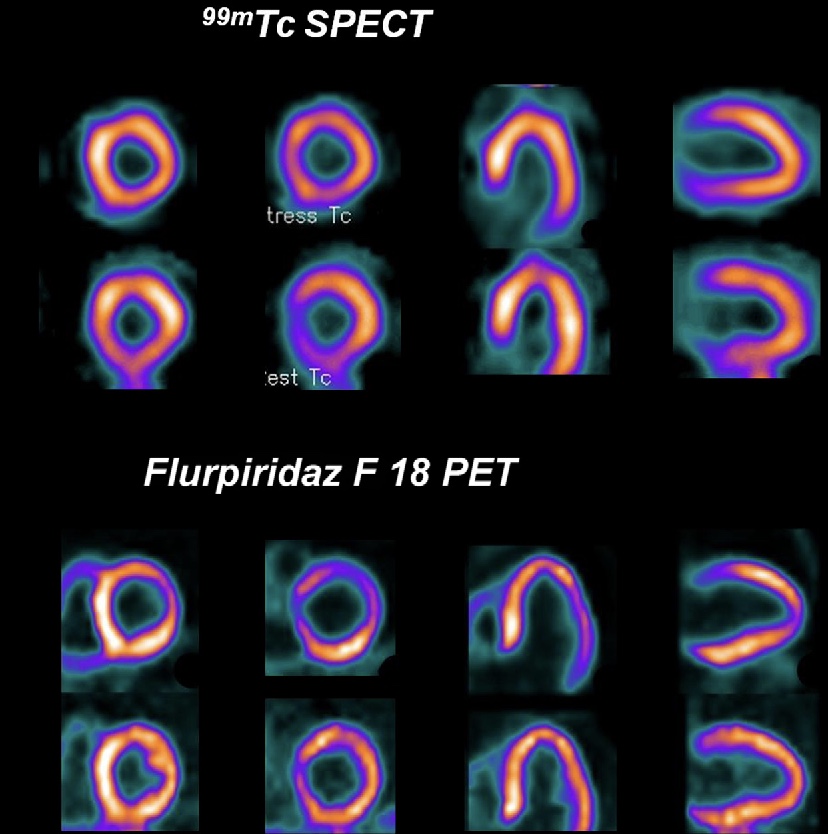
Yoga Asanas for Heart Health
The following yoga asanas begin with simple postures, and then, gradually, become more demanding, and require greater stamina and strength. The body is more relaxed and rejuvenated as you reach the final ones.
- Tadasana (Mountain pose)
- Vrikshasana (Tree pose)
- Utthita Hastapadasana (Extended Hands and Feet Pose)
- Trikonasana (Triangle pose)
- Veerabhadrasana (Warrior pose)
- Utkatasana (Chair pose)
- Marjariasana (Cat pose)
- Adho Mukho Svanasana (Downward facing dog pose)
- Bhujangasana (Cobra pose)
- Dhanurasana (Bow pose)
- Setu Bandhasana (Bridge pose)
- Salamba Sarvangasana (Half Shoulder stand)
- Ardha Matsyendrasana (Sitting Half Spinal Twist)
- Paschimottanasana (Two-legged forward bend)
- Dandasana (Stick pose)
- Dolphin pose
- Dolphin Plank pose
- Sphinx pose
- Shavasana (Corpse pose)
- Anjali Mudra
(I). Musculoskeletal (Muscles, Bones, Joints) Yoga Therapy — Prevention, Restitution & Rehabilitation.
Musculoskeletal (Muscles, Bones, Joints) Yoga Therapy — Prevention, Restitution & Rehabilitation.


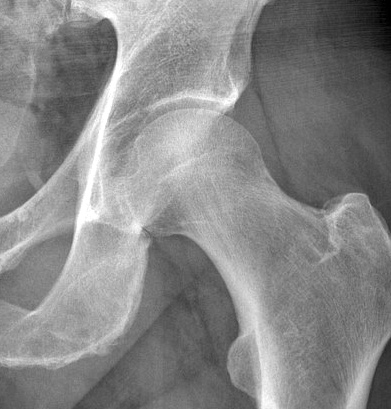
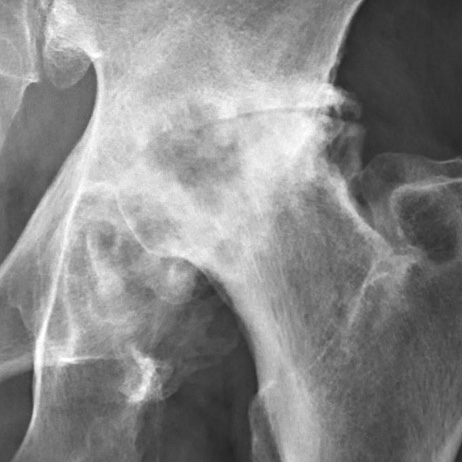
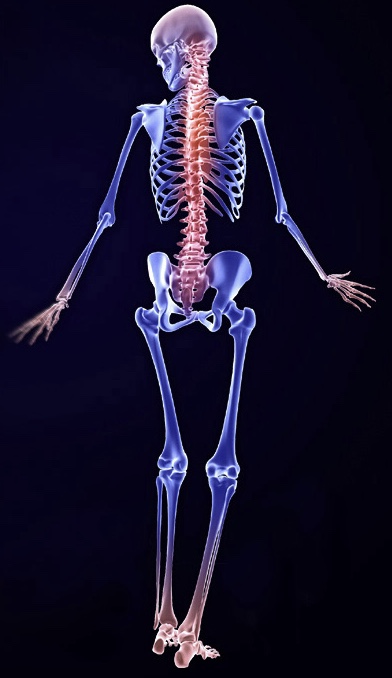
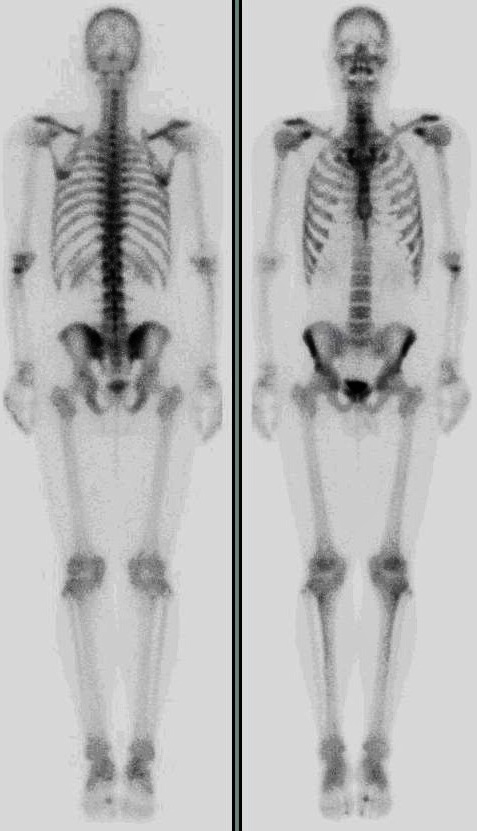
Strengthen your skeleton with these 7 poses:
- Vrksasana (Tree Pose)
- Utkatasana (Chair Pose)
- Bhujangasana with arms at the sides (Cobra Pose)
- Setu Bandha Sarvangasana (Bridge Pose)
- Virabhadrasana I (Warrior Pose I)
- Virabhadrasana II (Warrior II)
- Alternate arm and leg lifts (start on all fours, and lift and extend opposite arm and leg)
(I). Cancer Yoga Therapy — Prevention & Rehabilitation.
Cancer Yoga Therapy — Prevention & Rehabilitation.
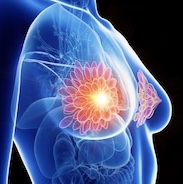

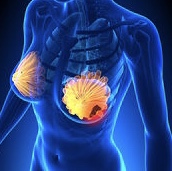
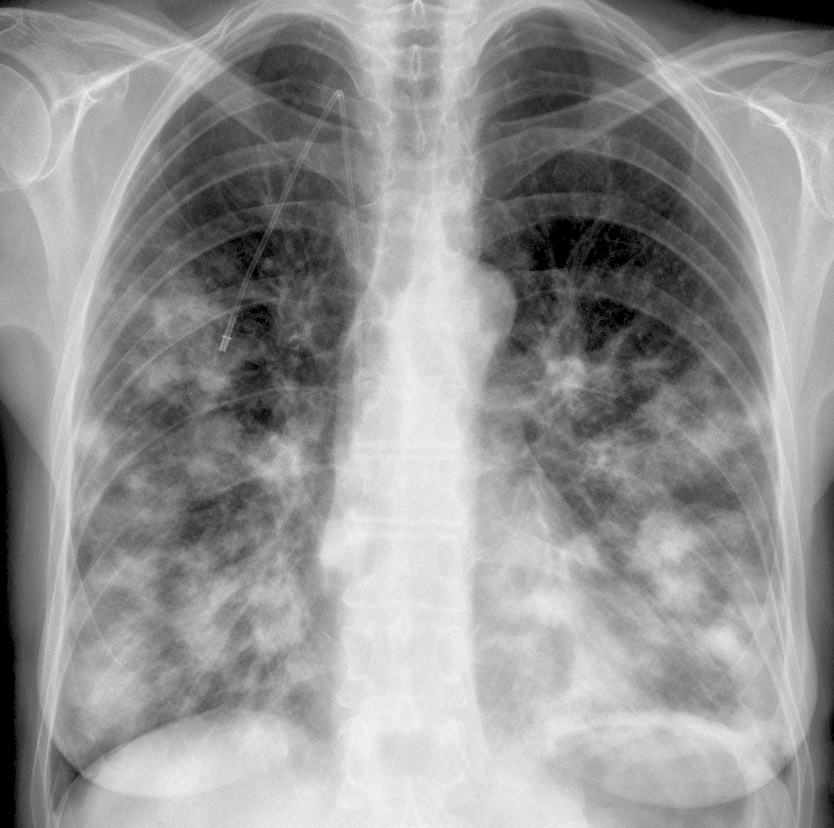
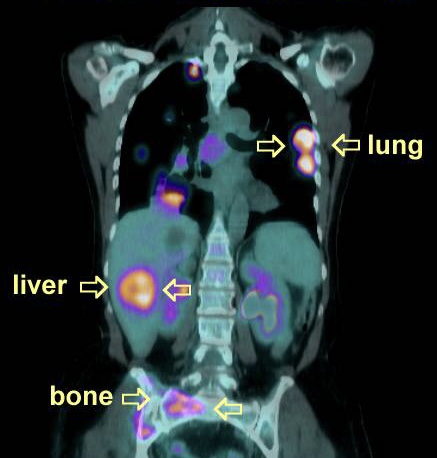
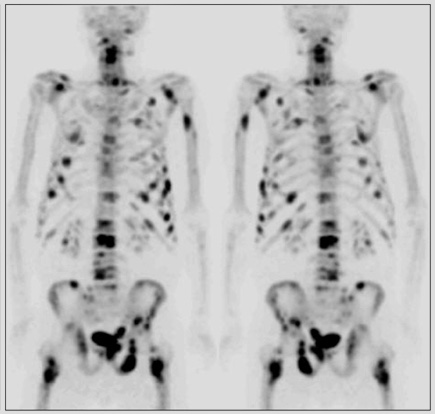
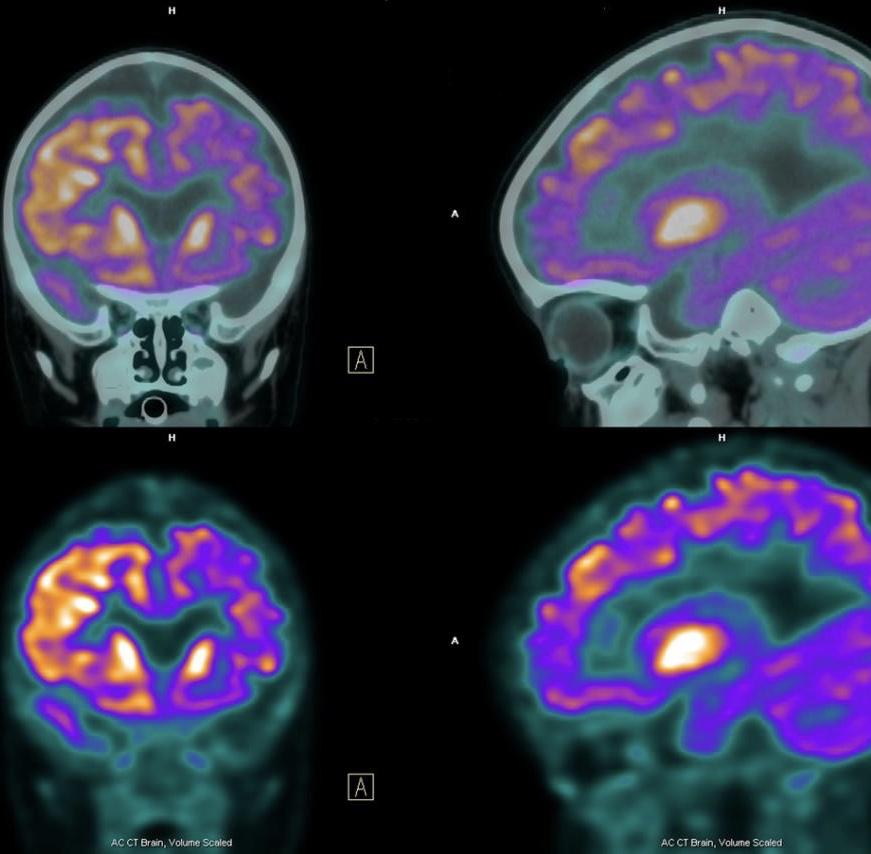

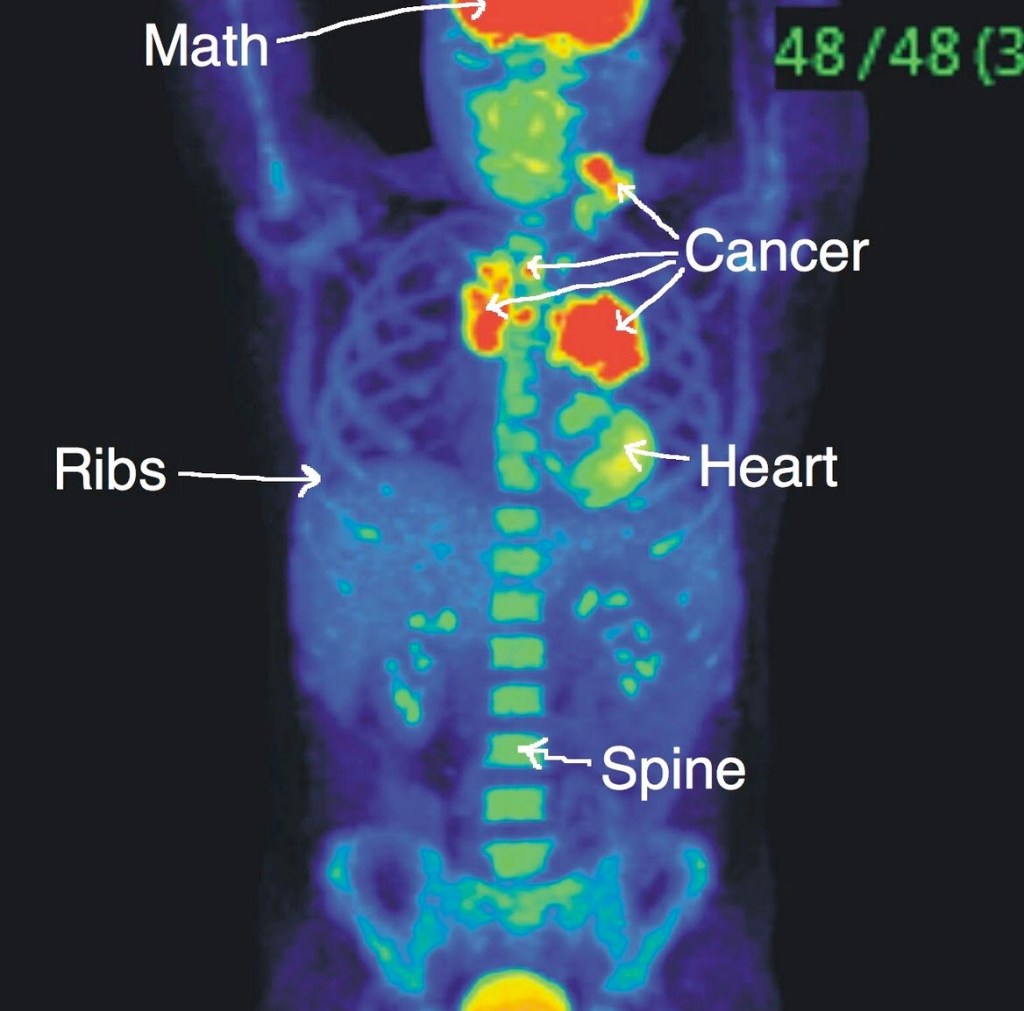
“We know that life is painful — that getting cancer and going through cancer treatment is extremely painful, emotionally as well as physically,” says Bellofatto. “But as yogis, we are also taught that suffering is optional, that we can transform our suffering into awakening with the recognition that everything in life is for our awakening.”
Following four poses are recommended to get started:
(1). Seated Spinal Twist: Bellofatto says this pose can help with digestion and nausea.
(2). Legs up the Wall (Viparita Karani): This pose can help combat fatigue.
(3). Reclined Bound Angle (Supta Baddha Konasana): This can also reduce fatigue and stress.
(4). Seated Meditation: helps you to focus on breathing and mindfulness.
(I). Respiratory (Asthma, COPD) Yoga Therapy — Multiplane Pranayama Practice.
Respiratory (Asthma, COPD) Yoga Therapy — Multiplane Pranayama Practice.
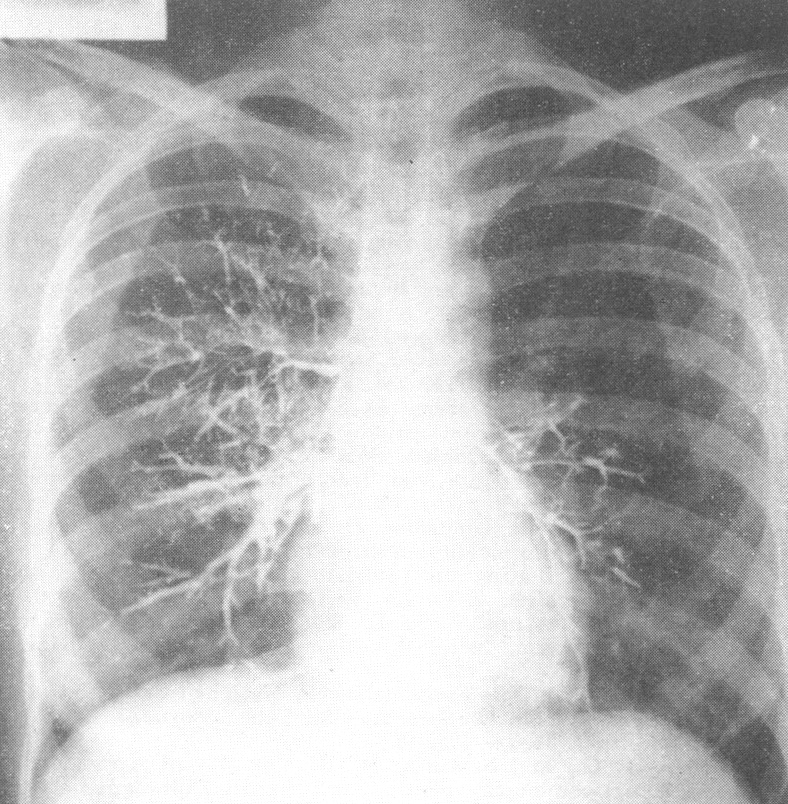
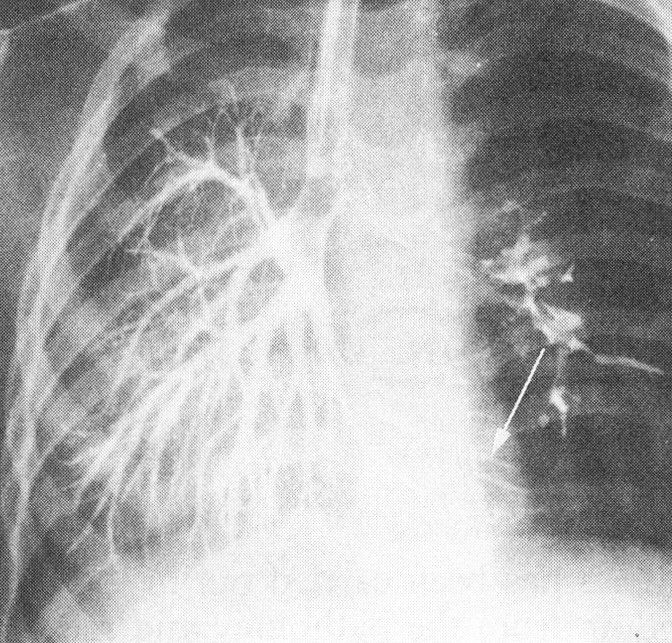

Some Yoga exercises (Pranayama) will help asthma patients get relief from their asthmatic problems:
- Bharastika. This yoga breathing paranayam is known as breath of fire. . . .
- Anulom Vilom Pranayama. . . .
- Nadi Shodhan Pranayama. . . .
- Kapalbhati Pranayama. . . .
- Savasana !
(I). Yoga Therapy for Prevention, Restitution & Rehabilitation Diabetes & Thyroid Disorders.
Yoga Therapy in Endocrinology (Diabetes Mellitus, Thyroid Disorders . . . . . .) — Prevention, Restitution & Rehabilitation.


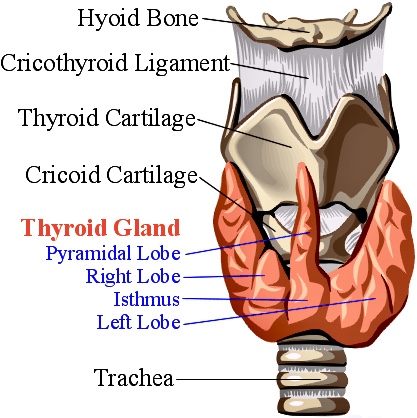
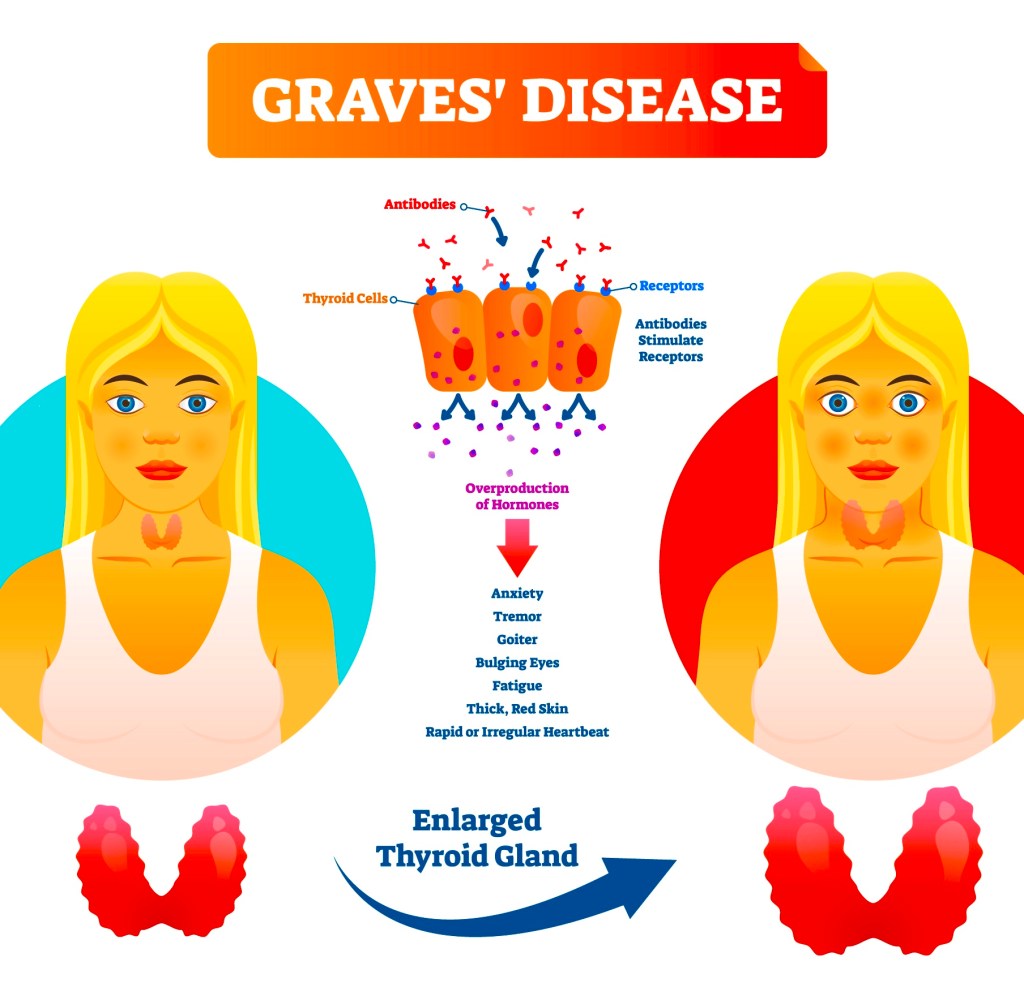
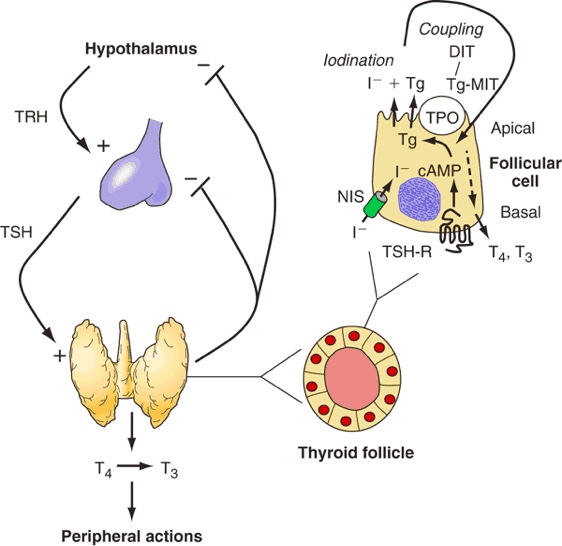
Yoga For Thyroid Health . . . .
- Sarvangasana (Shoulder Stand Pose) It helps in stimulating thyroid glands and controls thyroxin. . . .
- Halasana (Plough Pose) . . . .
- Matsyasana (Fish Pose) . . . .
- Setubandhasana (Bridge Pose) . . . .
- Bhujangasana (Cobra Pose) . . . .
- Sirshasana (Headstand Pose).
Diabetes Mellitus
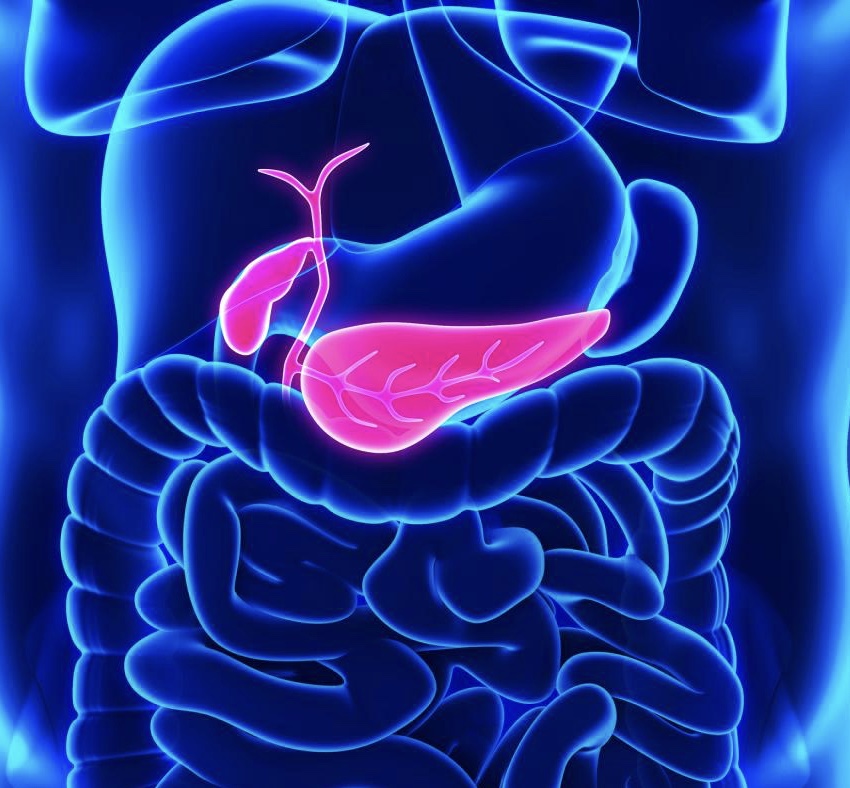
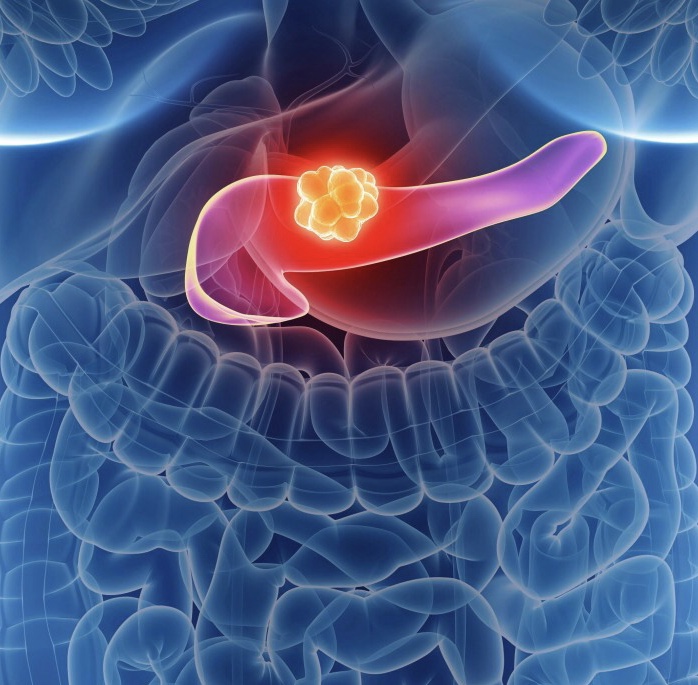
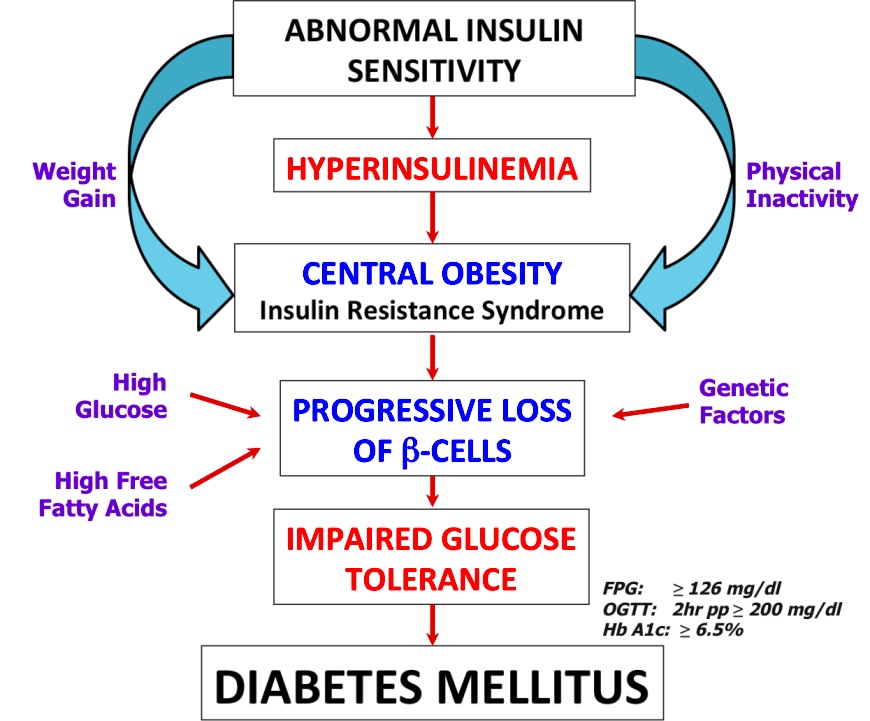
Yoga Asanas for Diabetes to Keep Blood Sugar Control !
- Surya Namaskar (Sun Salutations) . . . .
- Trikonasana (the triangle pose) . . . .
- Bhujangasana (Cobra pose) . . . .
- Matsyasana (Fish Pose) . . . .
- Shalabhasana (Grasshopper/Locust pose) . . . .
- Vakrasana (Twisted pose) . . . .
- Mandukasana (Frog pose) . . . .
- Padahastasana (hand under foot pose) . . . .
- Pavanmuktasana (wind-relieving pose) . . . .
- Viparit Karani (legs up the wall pose).
(I). Yoga Therapy for Women Diseases (General, Prenatal/ Postnatal, Perimenopausal).
Yoga Therapy for Women Diseases (General, Prenatal/ Postnatal, Perimenopausal).
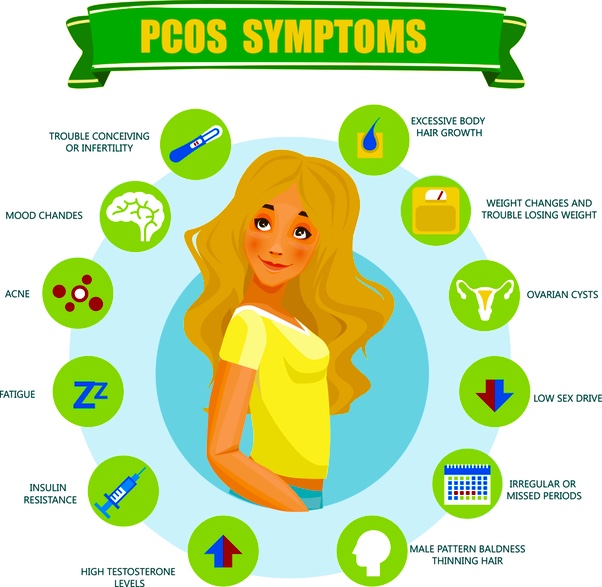
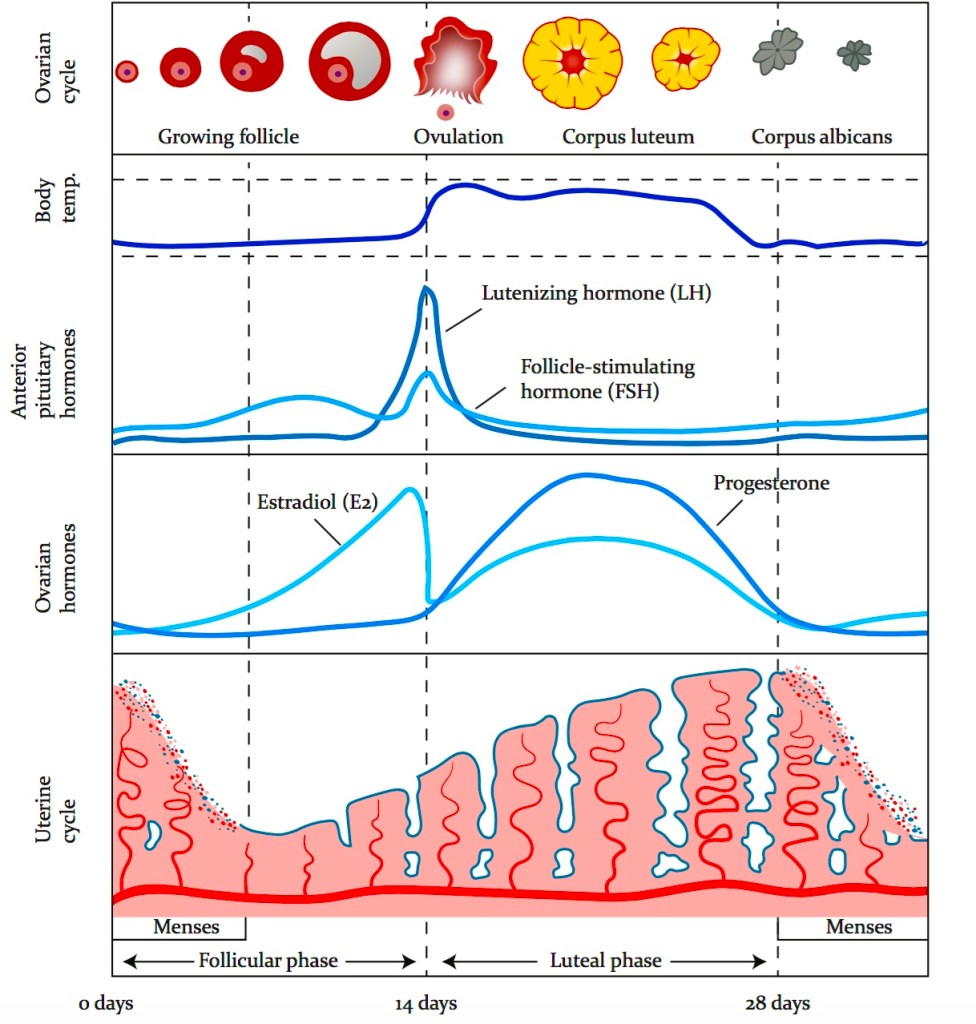
Yogasana for women’s better health and mental energy:
- Adho Mukha Svanasana (Downward Facing Dog) . . . .
- Shishuasana (Child’s Pose) . . . .
- Malasana (Garland Pose) . . . .
- Vriksasana (Tree Pose) . . . .
- Utkata Konasana (Goddess Pose) . . . .
- Navasana (Boat Pose) . . . .
- Kapotasana (Pigeon Pose) . . . .
- Halasana (Plough Pose) . . . .
(I). Yoga Therapy for Differently Enabled Child.
Yoga Therapy for Differently Enabled Child.



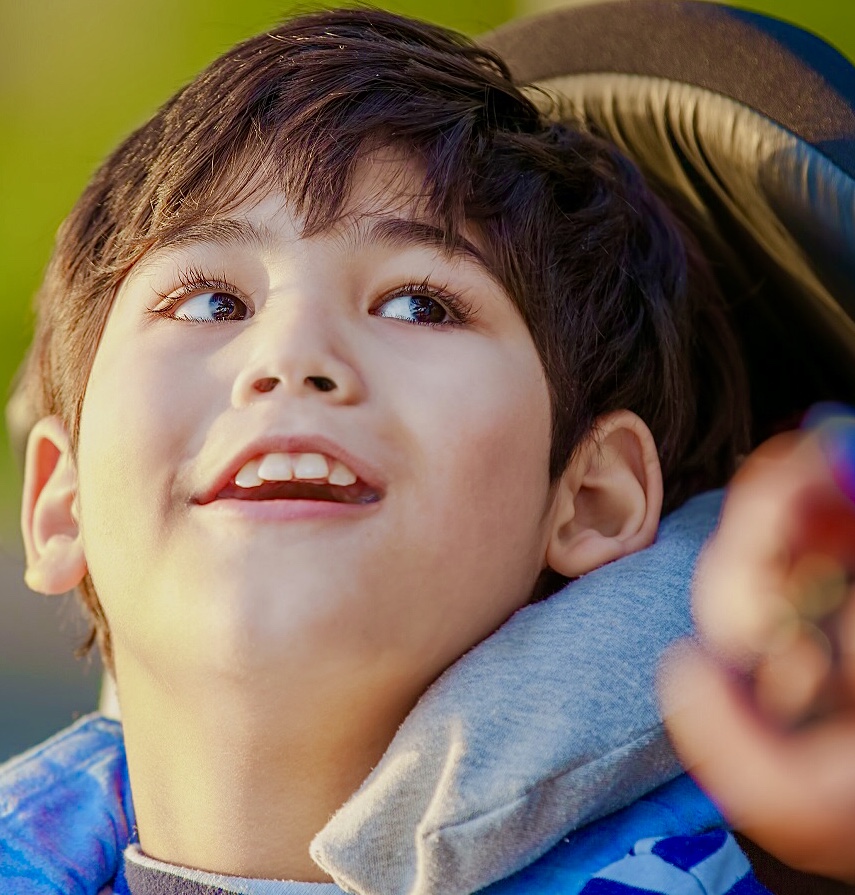


Children with special needs, kids are taught through experiential learning to apply-
* BREATH in improving self-control, modulation and supporting respiration for better language
* MOVEMENT to enhance motor planning, balance, strength, co-ordination and flexibility
* RELAXATION to de-stress and gain an attentive mind.


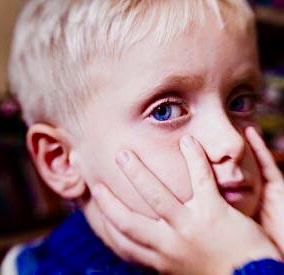

Children with special needs, kids are taught through experiential learning to apply-
* BREATH in improving self-control, modulation and supporting respiration for better language
* MOVEMENT to enhance motor planning, balance, strength, co-ordination and flexibility
* RELAXATION to de-stress and gain an attentive mind.
The interventions and rehabilitation methods to empower the differently-abled may turn futile if learning is not made fun for children. This is because our senses are able to grasp more if the lessons are interesting, and are imparted through visuals.
Yoga therapy addresses the learning and developmental limitations in people with special needs. It is generally used for addressing such challenges like Autism, Attention Deficit Hyperactivity Disorder (ADHD) and Sensory Processing Disorders. This therapy has several physiological, cognitive, socio-emotional and sensory-motor benefits.
Yoga therapy may go hand-in-hand with physiotherapy, speech therapy and occupational therapy to address specific disorders.
It demonstrates poses, breathing techniques and meditation to facilitate attention, relaxation and focus.
(1). Anulom Vilom Pranayam: It follows an alternate nostril breathing method. It keeps us calm, and enhances memory and concentration. It is effective in ADHD.
(2). Bhramri Pranayam: It is effective in soothing nerves when facing behavioural problems like anxiety and restlessness. Invariably, it helps increase attention span, motor co-ordination and the capacity of learning and acting on instructions. This works wonders to cure ADHD and enable sensory processing in autistic kids.
(3). Meditation: It is mostly effective in curing ADHD by enhancing concentration.
(4). Chakrasana Wheel pose): It improves the body stance. Dhanurasana (Bow pose) also has the same purpose.
(5). Sarvangasana (Shoulder stand pose): This improves the circulation of blood and oxygen through our brain.
(I). Yoga Therapy for Neurological Disorders . . . . . . . .
Yoga Therapy for Neurological disorders

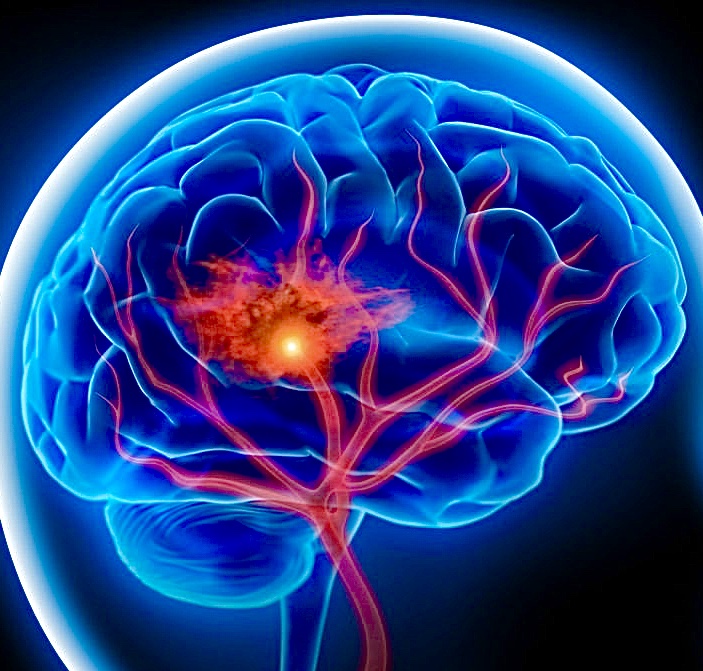

Yoga is one of the commonest forms of complementary and alternative medicine therapies, which is increasingly being practiced worldwide. It is an ancient Indian practice with its roots in Hindu religion based on the principles of mind-body medicine. The word “yoga” comes from the Sanskrit “yuj,” meaning “yoke” or “union.”
The three essential elements of yoga are: asanas (postures), pranayama (breathing exercises), and dhyana (meditation). These three components are practiced through multiple steps comprising of yama (moral codes, self-control), niyama (self-purification and process for maintaining morality), asana (posture), pranayama, (breath control), pratyahara (governing sense), dharana (concentration), dhyana (meditation), and samadhi (supreme contemplation and meditation).
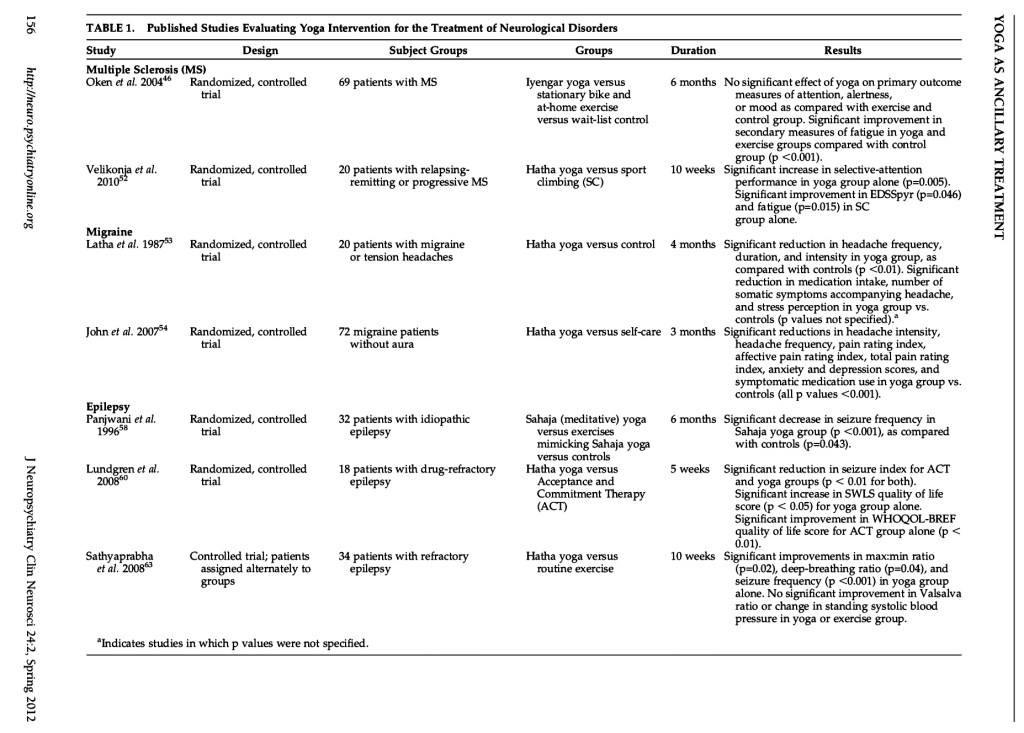
Yoga has been used to treat a variety of body ailments including neurological and psychiatric disorders. Multiple studies have documented the beneficial effects of yoga suggesting numerous mechanisms of its action.
(1). The asanas are the aerobic component and may stimulate the central nervous system release of endorphins, monoamines, and brain-derived neurotrophic factor (BDNF) in the hippocampus.
(2). The pranayama and dhyana (meditation) components may regulate the emotional responses by reducing the sympathetic and increasing the parasympathetic tone and improve the cognitive functioning by increasing the EEG synchrony and coherence. An increase in melatonin and decrease in cortisol have been associated with the meditative component of yoga. A rise in melatonin promotes sleep, stimulates immune system and reduces blood pressure. Numerous studies have found a positive correlation between levels of cortisol, negative effects, and depression.
Though the studies are limited by their sample sizes and methodology discrepancies, yoga has shown benefit for an array of neuropsychiatric disorders.
(I). Yoga Therapy for Abdominal Organs. . . . . .
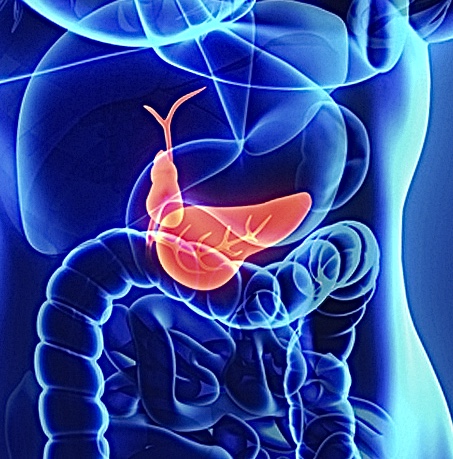
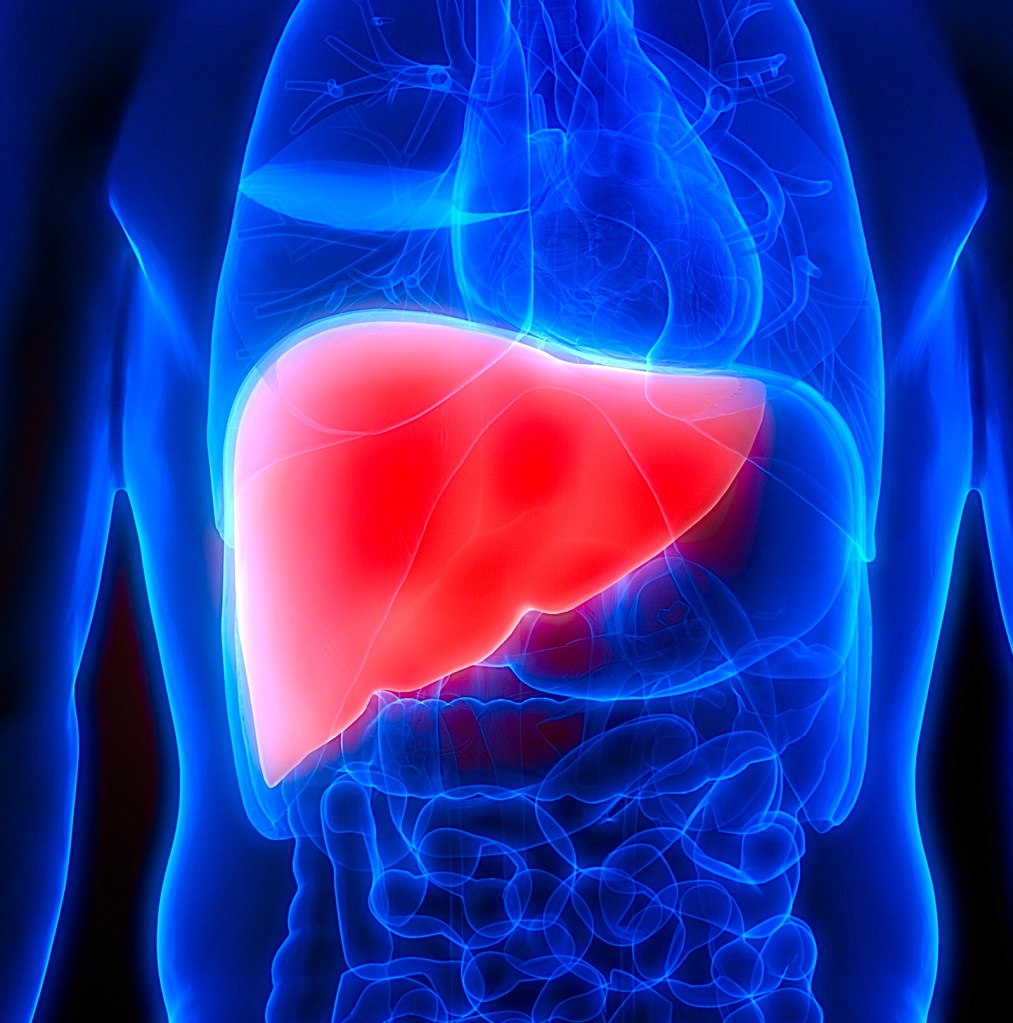
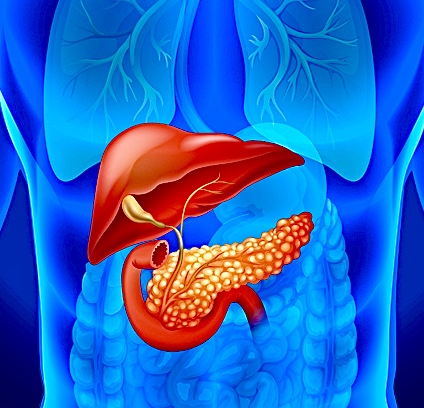

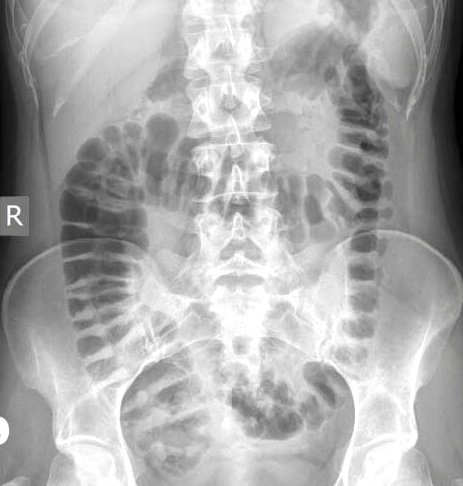

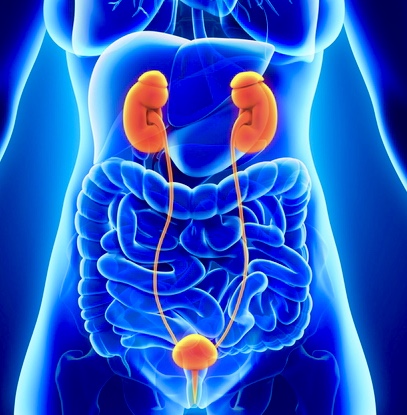
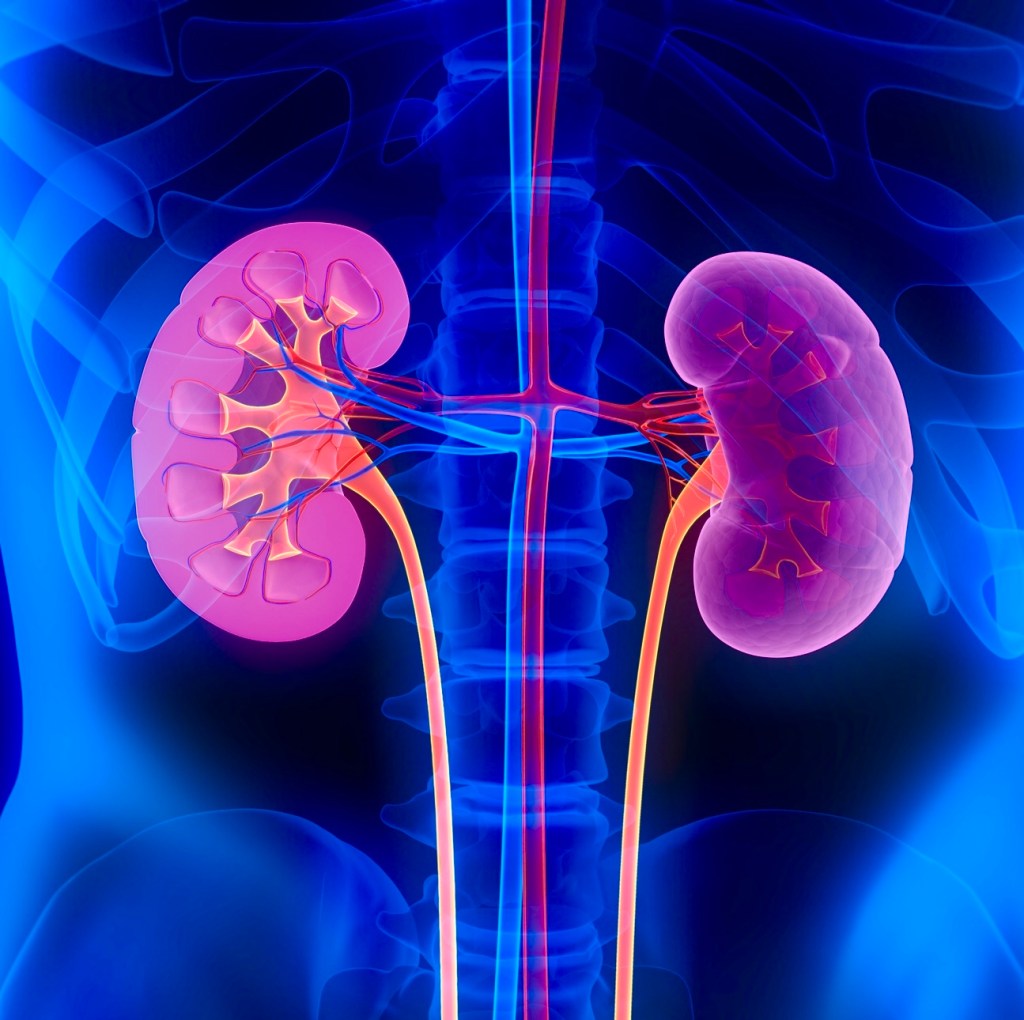
Human Female Kidney Anatomy. 3D render 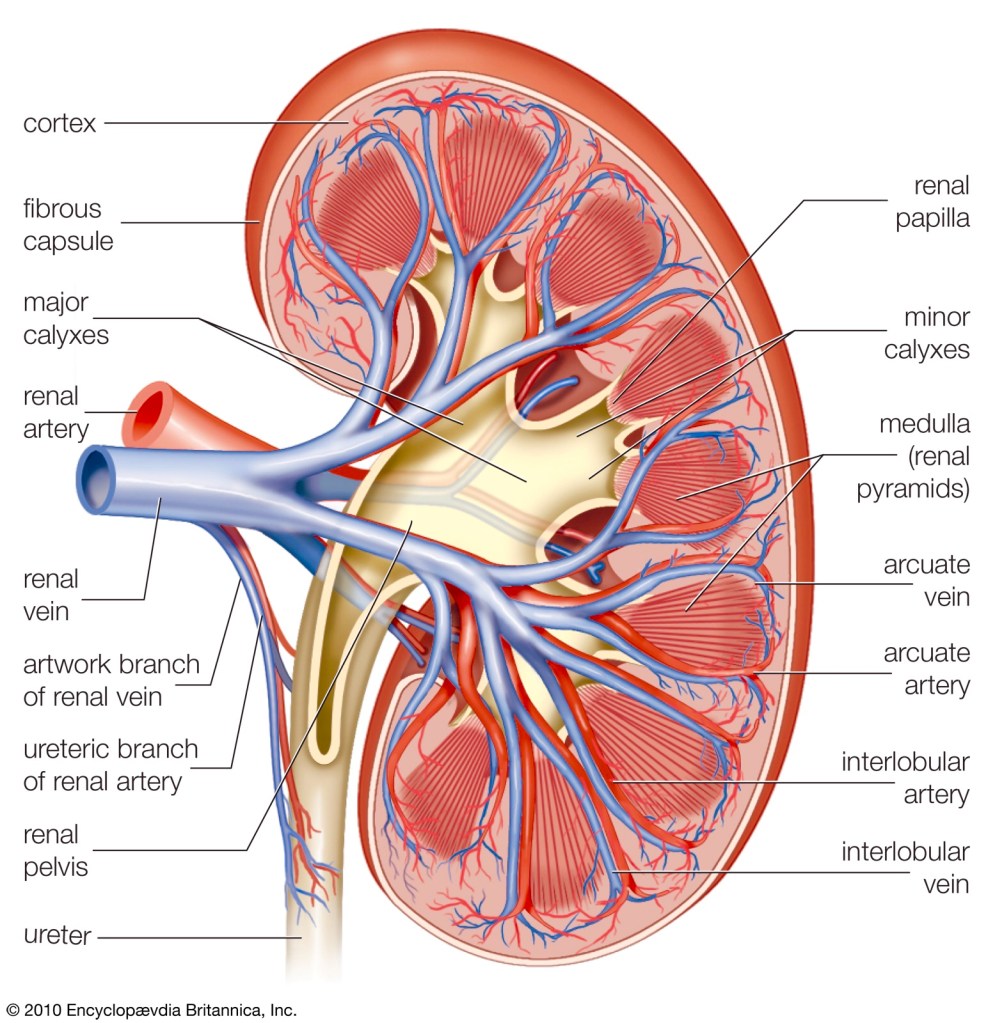
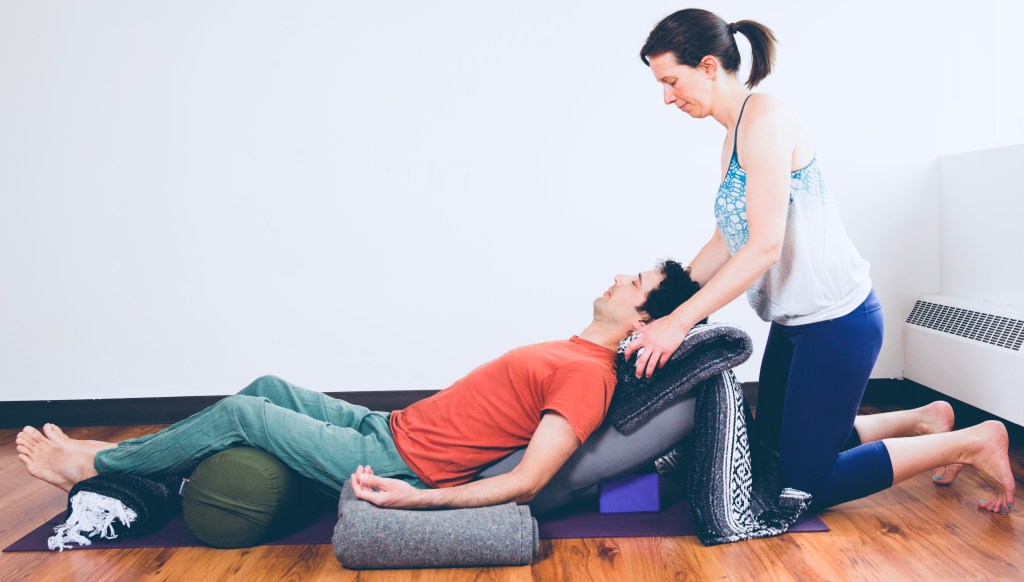
To attend an ongoing Specific disease/ Ailment, viz. Hypertension, Diabetes, Obesity, Musculoskeletal disorders (Joints and Spine), Asthma, Gastrointestinal ailments, Cancer, Post-oprative Surgical conditions, Stress, Depression &c. Personaly conducted by a highly qualified ‘physician-yogacharya’ !
B. Group Yoga Sessions —

Corporate Yoga is the extended concept of working peacefully in the midst of a hectic corporate environment. As per W.H.O. report, depression is the most disabling illness for the corporate sector, second only to cardio-vascular diseases.
CLINICAL YOGA PRACTICE

* To enable you to have good health.
* To practice mental hygiene.
* To possess emotional stability.
* To integrate moral values.
* To attain higher level of consciousness.
All these objectives could be dealt with in an integrated manner. Yoga could help to equip oneself with basic knowledge about one’s personality, to learn to handle oneself well in all life situations, to learn techniques of gaining good health, to develop a discriminative mind capable of knowing the real from the unreal and to face the dualities of life with equanimity.
 Dharāj Yoga Therapy